Target audience: College students and young adults who shop online, follow social media trends, and use rating , bestseller lists, and box office numbers to make decisions.
Have you ever bought something because it had thousands of five- star reviews? Watched a movie because everyone seemed to be talking about it? Or picked up a book because it was advertised as a bestseller?
I’ve bought quite a few things from the TikTok shop, and my experiences have been a real mix. Some products have genuinely impressed me, and I’ve found things that I would happily recommend to other people. Others however have been disappointing. Something that looked amazing in a video turned out to be lower quality than I expected, didn’t work as advertised, or simply wasn’t what I thought I was buying.
The frustrating part is that the videos often make everything look so convincing. Between glowing reviews, aesthetic product demonstrations and creators insisting that something is a must have, it can be difficult to tell whether a recommendation is genuine or whether you’re being shown exactly what someone wants you to see.
My experiences have made me realize that just because something looks popular online doesn’t mean it’s as good as people claim it is. And this problem extends far beyond shopping. The same tactics that influence our purchasing decisions can also affect bestseller lists, movie tickets sales, and the way we intercept popularity online.
- TikTok shop and the five star illusion
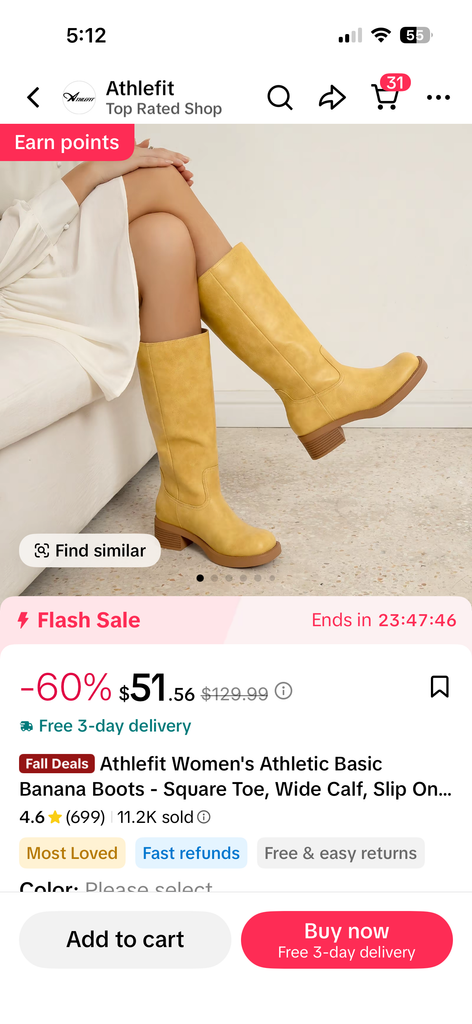
Tiktok has become one of those places where you can open the app just to scroll for a few minutes and somehow end up wanting to buy five things you didn’t even know existed. I’ve definitely been guilty of this. Between UGC creators showing off cute outfits, home decor, and products that supposedly change your life, it’s easy to get caught up in the excitement. Sometimes, the products are genuinely great. Other times, what arrives at my door is nothing like what I expected.
One thing I’ve learned from my own experience is that a product looking good online doesn’t always mean it will be good in real life. When I see something repeatedly on my For You Page, especially when it has thousands of positive reviews, I naturally start to trust it more. For example, a pair of boots with a 4.6 star rating and 1.1k reviews might seem like a pretty safe purchase. Those numbers suggest that plenty of people have bought the boots and liked them. But do they tell me how the boots actually fit, how well they’re made, or whether they’ll look the same when they arrive? Well, not necessarily.
That’s what makes online shopping so interesting when it comes to misinformation. Video can use flattering lighting, carefully chosen angles, and enthusiastic recommendations that make a product seem better than it is. Some creators may genuinely love what they’re promoting, while others may earn commissions or receive compensation for their recommendations. Neither situation automatically means a product is bad, but understanding the difference help us make more informed decisions
The problem becomes even more concerning when reviews themselves are manipulated. According to the Guardian June 2023 reporting, Amazon reported blocking more than 200 million suspected fake reviews in 2022. The article described businesses offering incentives in exchange for positive reviews, creating a misleading impression of customer satisfaction.
Although this reporting focused on Amazon, the broader lesson applies to online shopping everywhere: rating and reviews are only helpful when we understand how much we can trust them.
Now, before I buy something online, I try to look beyond the promotional video. I read reviews that describe the actual product, pay attention to repeated complaints, and compare different. Most importantly, I remind myself that just because something is trending doesn’t mean I need it.
I’m not saying TikTok shops are all bad. I’ve discovered products I genuinely love through the platforms, too. But after experiencing both the good and the disappointing purchases, I’ve realized that it’s worth taking a step back before clicking BUY NOW. Sometimes, a little research can save you money, disappointment, and a pair of boots that look much better on your screen.

The same issue appears outside of online shopping. Popularity can be manufactured in ways that influence what people say, read, and watch, in 2023, VICE reported that a political action committee supporting Mike Pompeo spend approximately $42,000 on bulk purchases of his memoir, never give an Inch, which later appear on The New York Times bestseller list. Although bulk purchases do not automatically prove wrong doing, the example shows how sales numbers create an impression of popularity that may not reflect individuals’ reader choices. Similarly, controversy surrounding Sound of Freedom, film about human trafficking, raised questions about how ticket promotions and advance purchases can shape perceptions of a movie’s success. These examples demonstrate why impressive numbers should be examined rather than accepted at face value.
As media consumers, we don’t have to distrust everything we see online but we should question what makes something appear popular. Before buying trending products, choosing bestselling authors books, or watching viral movies. Take a moment to check multiple sources, look for credible sources. Popularity can help us discover something new but it shouldn’t replace our own judgement.